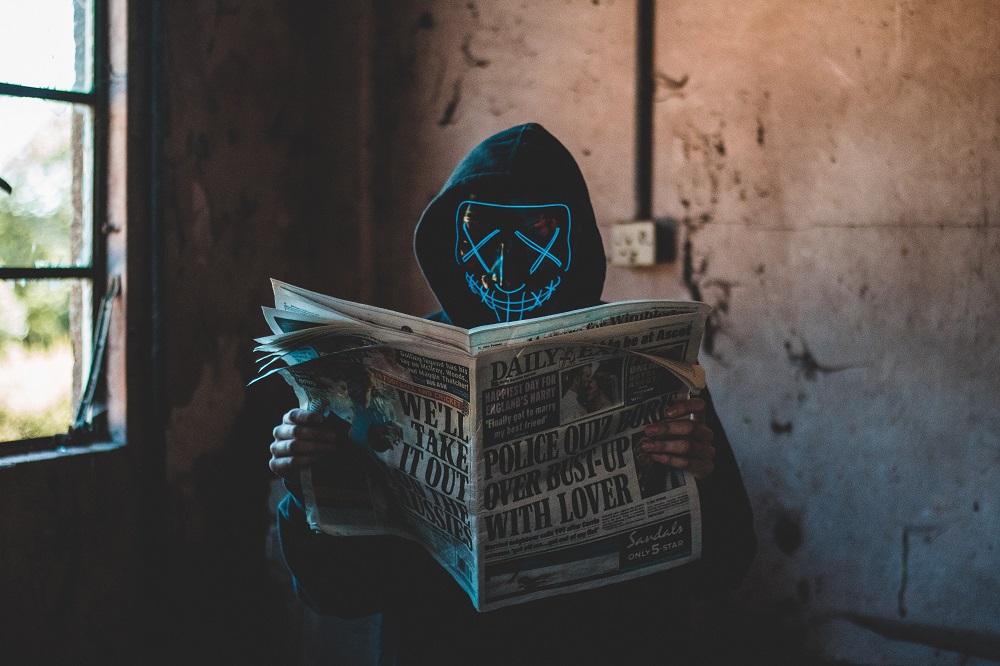
Photo by Connor Danylenko
In the age of information overload, the spread of fake news has become a significant concern. It is crucial for individuals to develop strong fact-checking skills to distinguish reliable information from falsehoods. In this article, we will provide a comprehensive guide on how to identify and avoid fake news. By following these strategies, you can become a more discerning consumer of news, contribute to a healthier information ecosystem, and make informed decisions based on accurate information.
1. Verify the Source
The first step in fact-checking news is to verify the credibility of the source. Look for reputable news organizations known for their journalistic integrity. Be cautious of unfamiliar websites or sources with biased agendas. Cross-reference the information with multiple reliable sources to ensure consistency. Independent fact-checking organizations like Snopes, FactCheck.org, and PolitiFact can be valuable resources to verify the accuracy of claims.
2. Assess the Author’s Credibility
Evaluating the credibility of the author is crucial. Investigate their background, qualifications, and expertise on the subject matter. Search for their previous work or publications to assess their reputation for accuracy and reliability. Be skeptical of anonymous authors or those lacking transparency about their credentials. Legitimate journalists and subject matter experts are more likely to provide well-researched and factual information.
3. Examine the Quality of Writing and Presentation
Fake news often exhibits poor grammar, spelling errors, or sensationalistic language. Pay attention to the overall quality of writing and presentation. Professional news organizations have editorial standards and strive for accuracy, clarity, and objectivity in their reporting. Typos, clickbait headlines, or excessive use of emotionally charged language may indicate a lack of credibility.
4. Fact-Check Claims and Statistics
Don’t take claims or statistics at face value. Fact-check the information by verifying it with reputable sources or conducting independent research. Look for supporting evidence, data, or studies that back up the claims. Be cautious of cherry-picked or out-of-context information that distorts the truth. Critical thinking and scrutiny are essential in evaluating the accuracy of claims.
5. Watch for Biases and Manipulation
Fake news often employs bias or manipulation to push a particular agenda. Be aware of the author’s potential biases and any signs of sensationalism or propaganda. Verify if the information is presented objectively or if it is skewed to influence your opinion. Seek out diverse perspectives and sources to get a more comprehensive understanding of the topic.
6. Consult Fact-Checking Organizations
Fact-checking organizations play a vital role in debunking fake news. Consult reputable fact-checkers like Snopes, FactCheck.org, or PolitiFact. These organizations thoroughly investigate claims, statements, and rumors to provide accurate and unbiased assessments. Their fact-checking articles often include detailed explanations, sources, and references for transparency. Utilize their resources to verify the authenticity of information.
In an era of rampant misinformation, it is crucial to develop strong fact-checking skills to navigate the vast amount of news and information available. By verifying sources, assessing author credibility, examining writing quality, fact-checking claims, being vigilant of biases, and consulting reputable fact-checking organizations, you can become a discerning consumer of news. Promoting media literacy and critical thinking is essential in combatting the spread of fake news and fostering a more informed society. Remember, it is our collective responsibility to ensure accuracy, reliability, and truthfulness in the information we consume and share.
Generated by Chat GPT