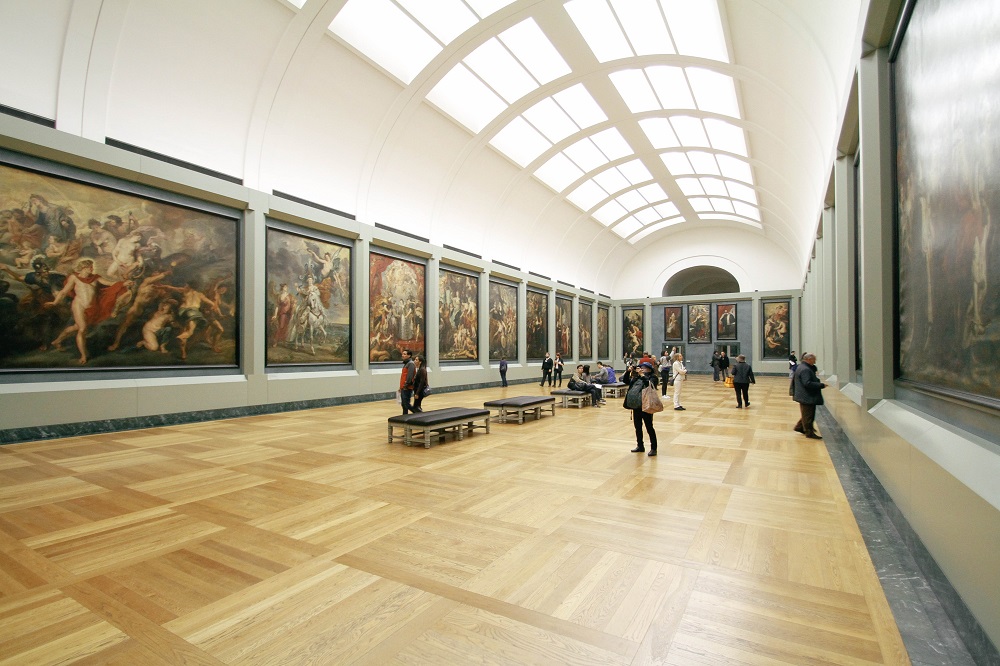
Photo by Riccardo
Museums are places that offer a unique opportunity to learn about history, culture, art, science, and many other fields of knowledge. They are institutions that collect, preserve and display objects, artifacts or specimens that have a particular historical or cultural significance. A museum is a place where people can go to learn about the past, present or future of particular subjects. Museums serve as educational and informative resources for people of all ages to learn about different subjects.
Museums collect and display artifacts, works of art and scientific specimens that have historical or cultural importance. These can include everything from ancient coins, fossils, artworks, anthropological objects or scientific specimens like preserved animals and plants. Once collected and properly preserved in the museum’s archives or storage facilities, these objects are often put on display in exhibitions that are open to the public. Museum exhibitions can be used to examine objects in-depth and explore the context from which they came.
For those who are interested in learning factual and reliable information about a certain topic, museums can be a wealth of knowledge. Museum research on subjects such as anthropology, history, science or art can provide people with valuable insights into different topics.
Firstly, when visiting a museum, visitors can access well-curated exhibitions that offer factual information. Museum exhibits are created by knowledgeable experts that specialize in the subject matter they display. These exhibitions typically include carefully crafted descriptions that provide visitors with the necessary context around an object’s significance. For example, when looking at a painting, museums generally include an explanation about what type of painting it is (like realism, expressionism or abstraction), who painted it (the artist’s biography) and what school of art it represents (historical art movements).
Museum curators often work alongside experts like historians or anthropologists to ensure accurate information is available to visitors. The information on exhibits and panels in museums is usually written with an engaging and informative tone that invites visitors to explore further details about the object. Museum exhibitions offer factual and reliable information that is invaluable to individuals who want to learn about the subject.
Secondly, museums are places where people can access research on their own. Many museums have research centers or libraries that cater to academic research and the general public. These spaces allow people to read scholarly articles, books, or primary sources related to the museum’s collections or exhibits.
Museum websites are also a useful resource for accessing information on collections and exhibitions. Virtually all museums have web pages that contain information about their collections, events or educational resources. These pages often include digital images of objects or artwork, and descriptions of the objects with relevant and factual information. Museums’ websites can be used as educational tools on its own or as a starting point for more research.
Furthermore, many museums offer online databases that provide direct access to their collections. These databases usually come equipped with powerful search engines that ensure keyword search capabilities and effective online user experiences. For instance, the Metropolitan Museum of Art’s website provides users with a keyword searchable catalogue that enables them to view thousands of objects that span over 5000 years of world culture history.
Thirdly, visiting a museum can provide an educational experience like no other. Museums generally offer guided tours or workshops that provide visitors with firsthand knowledge on particular topics. Most museums have well-trained tour guides that promote strong interactivity and help visitors ask questions and learn more deeply. Guided tours can be particularly helpful for visitors who are looking to learn about particular themes in-depth or experience a sense of context while interacting with the museum’s collections.
Similarly, workshops and events are designed to encourage visitors to interact with exhibits and works of art in an immersive way. For example, some museums offer workshops where visitors can actually touch and handle physical specimens such as fossils and minerals. Such works are especially beneficial when trying to learn more detailed information about a specific subject from a tactile engagement point of view.
Visiting museums is not only useful for the information and knowledge gained, but it also represents an opportunity for critical thinking and personal reflection. Art forms, historical artifacts, and scientific displays can help people explore new ways of perceiving the world around them or offer the tools for weighing their own experiences against past ones. Just like a book can inform and educate, a trip to a museum can provide an engaging, thought-provoking experience that helps people to expand horizons.
Fourthly, museums can be a gateway towards research and discovery. Many museums conduct research through scientific or humanities laboratories that investigate themes such as conservation, climate change or ancient history. For instance, the Field Museum in Chicago is dedicated to researching natural history-related topics such as geology, botany or zoology. Through projects such as the Earth Sciences division and conservation laboratories, scientists are dedicating their expertise and time to address significant issues concerning biodiversity conservation, paleontology or ecology.
The research conducted by museums is typically well-documented and peer-reviewed. Prominent researchers often co-author reports on museum collections or exhibit-specific themes. The scientific or scholarly research conducted by museums offers invaluable insight into subjects that are often hard to study in ordinary venues.
Finally, museums provide an opportunity to teach others. Teaching people about historical, cultural or scientific subjects through informal education provided by exhibits can be a powerful way to increase public awareness and appreciation for these subjects. Many museums offer guided tours and educational programmes that cater to schools, families, or individuals.
Museum educators are specifically trained in developing creative programmes that align with the subject matter the museum exhibits. Tours can be tailored to meet the unique needs of different age groups or learning styles by delivering content in interactive ways. For example, a New York City Factory tour is delivered using immersive mobile devices to explore NYC’s industrial past and present.
Finally, many museums’ websites provide online educational resources such as games, lesson plans, and educational materials that can be downloaded and accessed from anywhere in the world. These can be especially helpful for those who are teaching a subject or looking to learn more about it on their own.
Museums are a powerful tool for gaining factual information on various subjects. The museum exhibitions themselves can provide visitors with detailed descriptions of objects, artwork or specimens that can help understand critical contexts better. Museums also provide research participation opportunities through online resources and research centres. The excitement generated through engagement with exhibits such as workshops and guided tours often encourage critical thinking or personal reflection while providing an immersive experience. Research conducted by museums and web based resources is rigorous and well-documented and, when combined with educational programmes or teaching efforts, makes museums an invaluable tool for expanding understanding in many fields of knowledge.